LED glossary
Short definitions for the terms that show up on LED quotes and datasheets.
LED 101
How LED displays work and how to buy them in Canada: pitch, brightness, gym impact rating, outdoor IP, power, structure, and what belongs on a quote.
Short definitions for the terms that show up on LED quotes and datasheets.
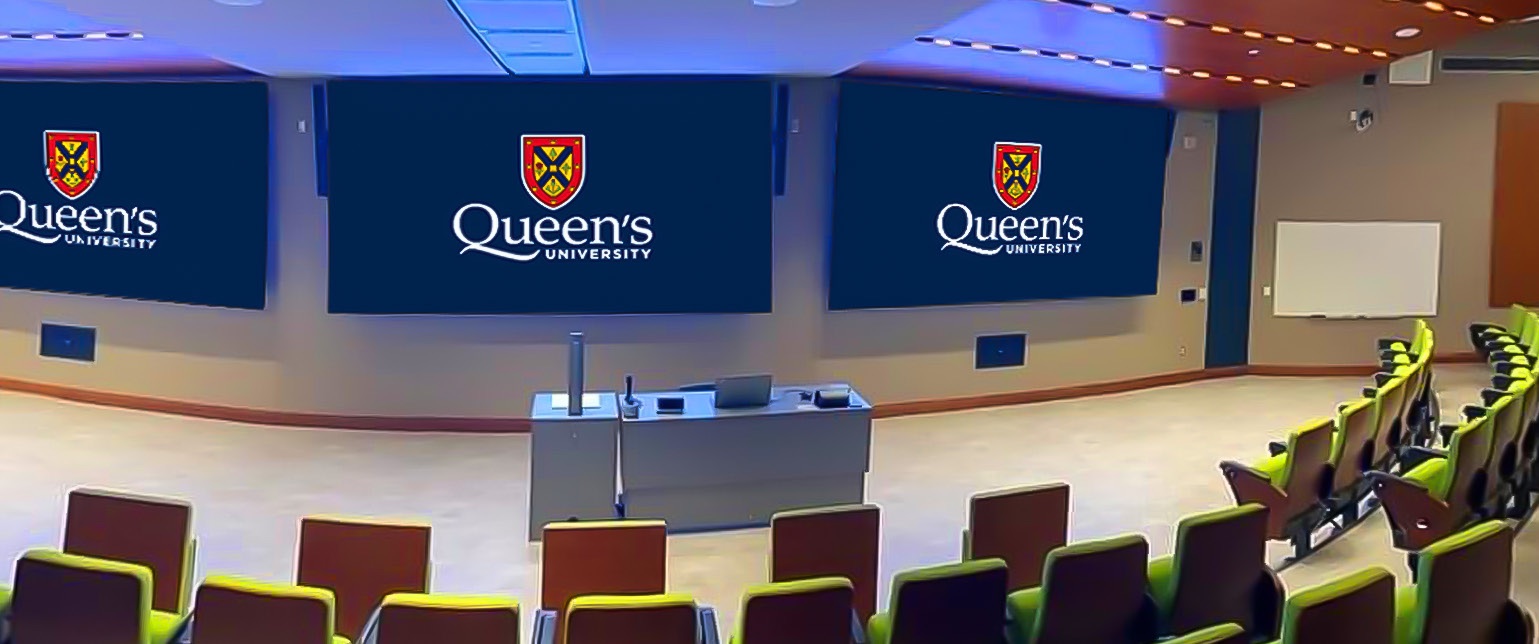
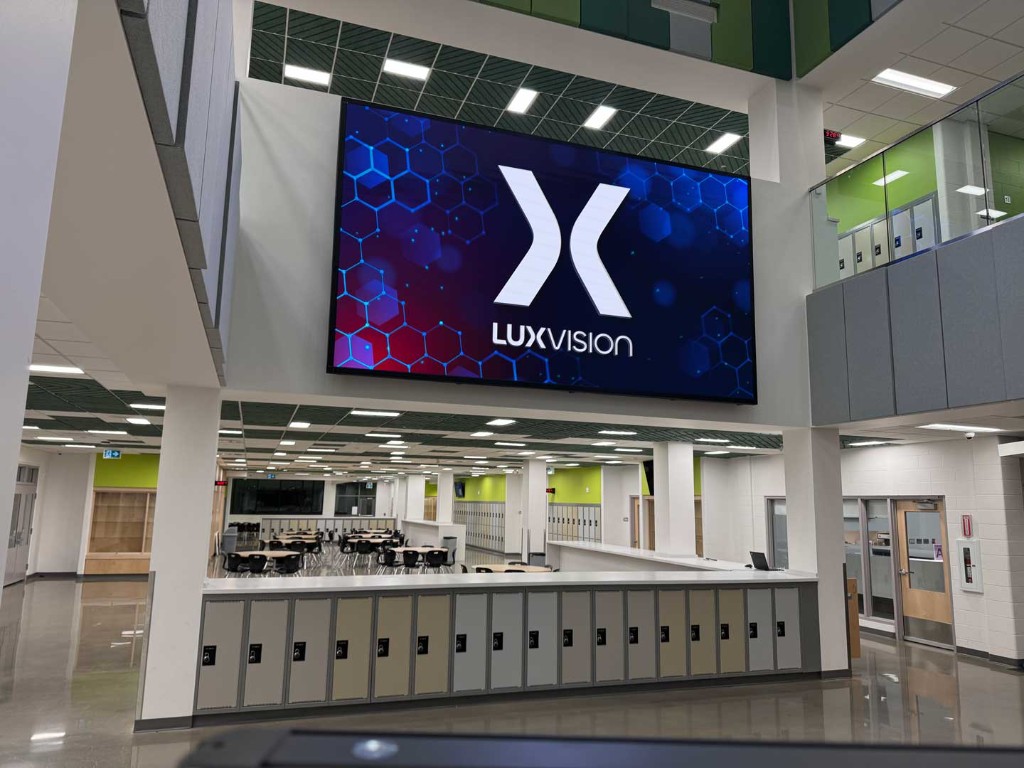
A wall of LEDs you look at directly. No backlight, no LCD layer. That is the technology behind gym scoreboards, jumbotrons, and fine-pitch indoor walls.
Malls and stores use DV-LED for scale, brightness, and motion that a static poster cannot match.
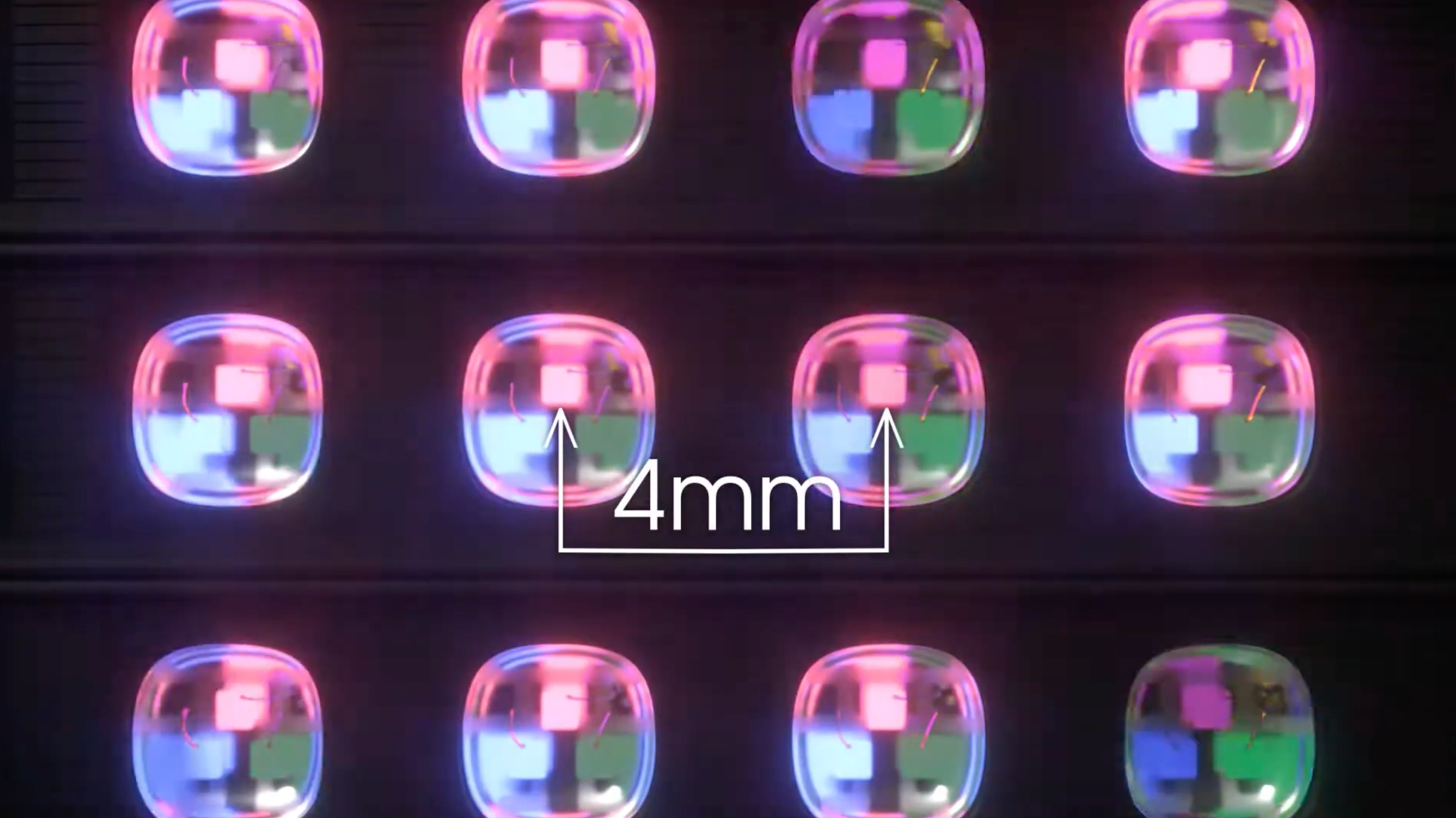
Pixel pitch is the centre-to-centre distance between pixels, in millimetres. Smaller pitch means a sharper picture up close, and more LEDs per square metre.
Diagonal inches and pixel pitch together set native resolution. Cabinet size decides which wall sizes tile cleanly.
How far people sit from the wall decides how fine the pixel pitch needs to be. Rules of thumb help, then the room decides.

Brightness is measured in nits (candelas per square metre). Close-up outdoor menu boards and long-throw outdoor signs are different jobs.

IP ratings describe dust and water protection. Outdoor walls need sealing, drainage, brightness control, and a dry place for the electronics that feed them.
Contrast is the gap between the brightest white and the darkest black the wall can show. On LED, the mask and the room lighting matter as much as the datasheet.
Refresh rate is how many times per second the wall redraws the image. High refresh keeps sports and camera shots clean.
Phones in the stands and broadcast cameras punish low refresh and bad scan behaviour. Spec the wall for how it will be filmed, not only how it looks to the eye.
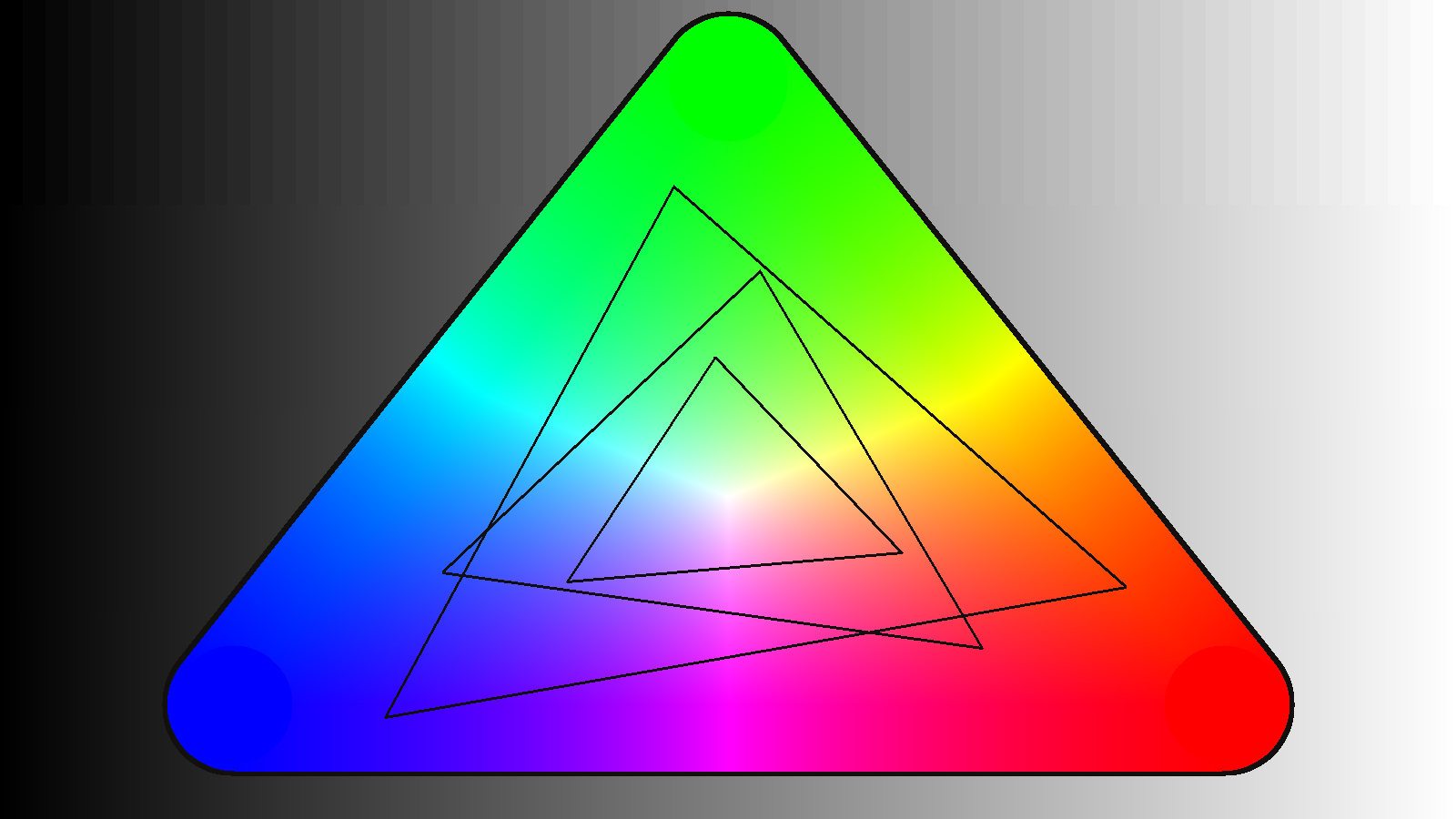
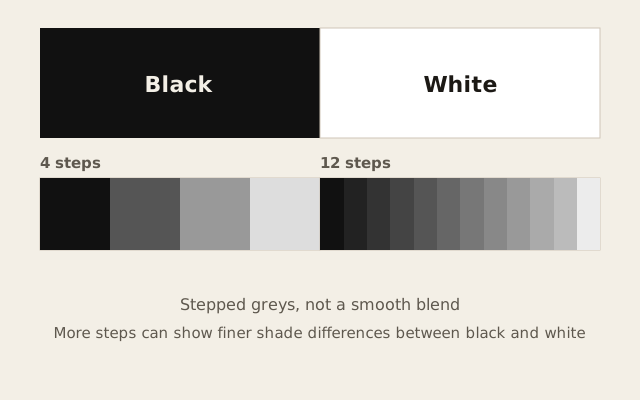
Bit depth is how many steps of red, green, and blue the system can use. More bits mean smoother fades and fewer banding stripes.
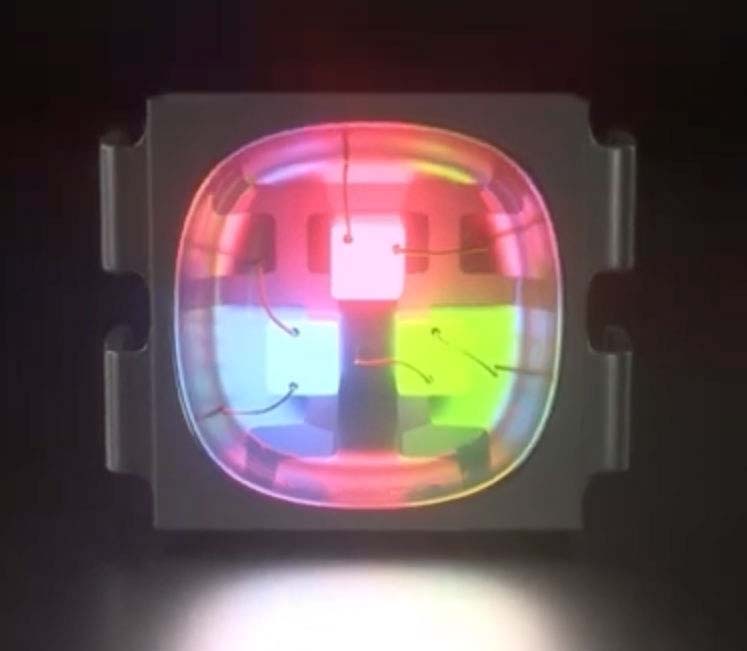
Three ways to package the LEDs on a module. Gym walls are usually SMD. Fine-pitch close-view walls often use COB. DIP still appears on coarse outdoor work.
Chip-on-board mounts bare LED dies under a resin skin. It is the durable fine-pitch option for close viewing, not a substitute for a mid-pitch gym wall.
Encapsulation is the resin or package that protects the LED chip and shapes the light. DIP, SMD, and COB each do it differently.
A module is a rectangular board of pixels: LEDs, drivers, and a connector. Cabinets are filled with them.
The cabinet is the frame that holds modules, power supplies, and receive cards. Flat machining is what keeps the seams from showing.
The black mask between lamps deepens blacks, cuts glare, and on impact-rated walls sits proud of the LEDs so a ball hits plastic first.
Inside many cabinets, a hub board spreads data (and sometimes power) from the receive card out to the modules.
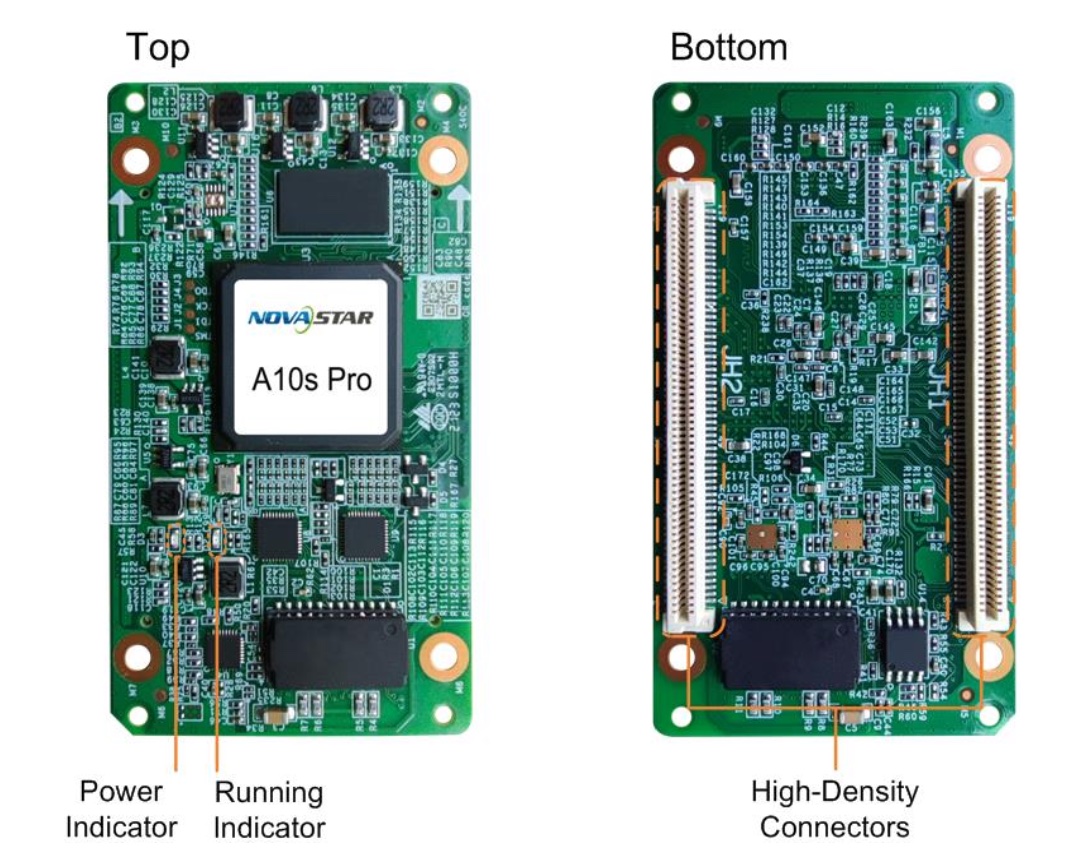
The receive card takes the processor Ethernet stream and turns it into the signals the modules understand.
Driver chips set current and PWM for each lamp. Scan rate is how those drivers share time across rows of the module.
Hub75 is a common ribbon-cable style interface between receive cards (or hubs) and LED modules.
Red, green, and blue chips start as semiconductor wafers, then get diced, tested, binned, and packaged.
Factory calibration can match odd modules today. Batched LEDs age together, which is what keeps a wall even five years out.
Front or rear access, spare modules from the same batch, and parts you can actually buy decide how long a wall stays usable.
Extra power supplies and receive cards keep a wall up when one part fails. Useful in control rooms. Overkill for many school gyms.
The wall only shows what you feed it. Scoreboard software, media players, Crestron or AMX, and the LED processor are part of the same job.
Circuit count, feeders, and heat load decide whether a wall is cheap to hang or expensive to energize. Spec sheets quote peaks; design for how the wall actua…
LED walls are electrical equipment. In Canada they need a recognized certification mark before they go on the wall.
Cabinets hang on steel, not on hope. Wall load, hanging scoreboards, and outdoor frames need engineering separate from the LED product sheet.
Kinglight is an LED chip and package supplier used in many display modules.
How to map receive cards in NovaStar NovaLCT without rewriting a cabinet that is already programmed correctly.
On a NovaStar port, cards in a daisy chain take addresses in cable order, then use the mapping file to know which pixels they own.