LED 101 / Basics
What a direct-view LED display is
A wall of LEDs you look at directly. No backlight, no LCD layer. That is the technology behind gym scoreboards, jumbotrons, and fine-pitch indoor walls.
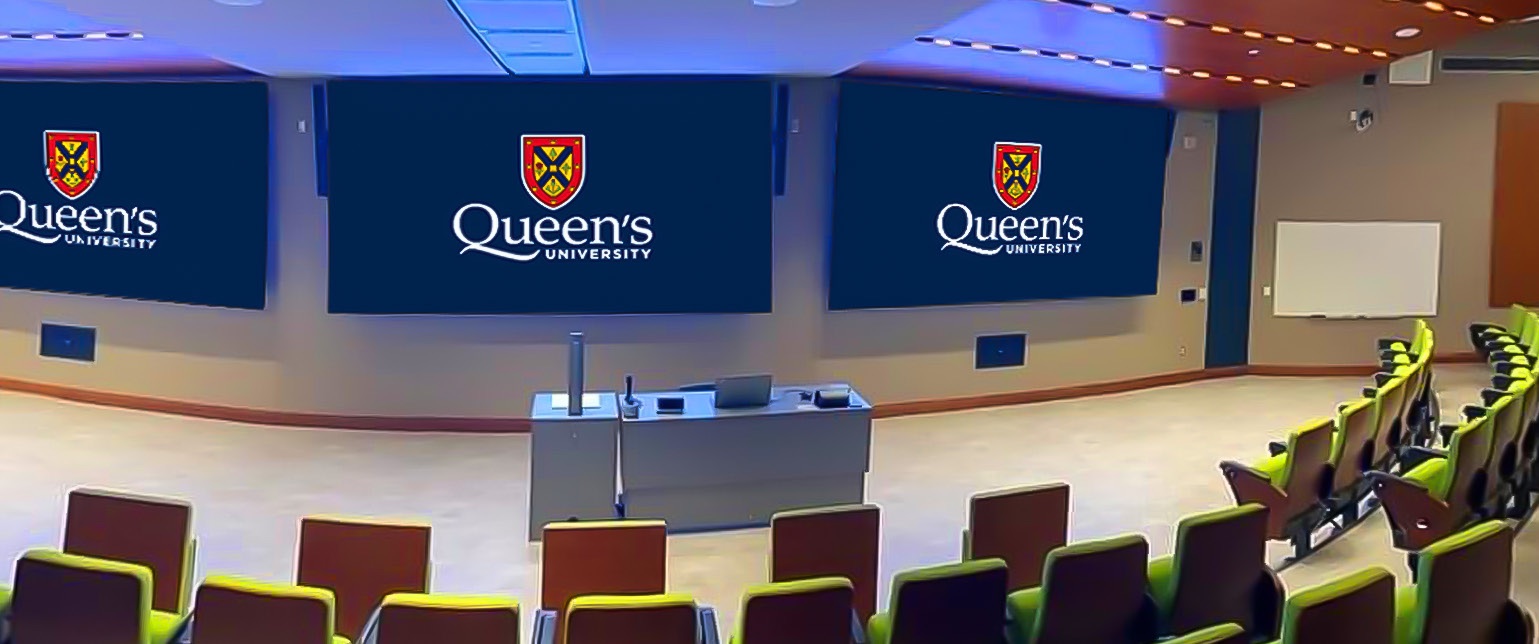
A direct-view LED display, often shortened to DV-LED or dvLED, is a screen made of light-emitting diodes that you look at face-on. Each pixel is its own red, green, and blue light. There is no LCD panel in front and no backlight behind. When a pixel is off, it is dark.
That is different from a consumer “LED TV,” which is usually an LCD with an LED backlight. QLED is also LCD-based, with a quantum-dot layer for colour. OLED is self-emissive like DV-LED, but it is usually sold in fixed panel sizes and is a poor fit for a school gym that runs static scoreboard graphics for hours. Burn-in and brightness limits show up there. Direct-view LED is built in cabinets that tile into the size you need.
Where it shows up: gym scoreboards, arena displays, outdoor LED signs, retail video walls, control rooms, and boardrooms. Brightness, pitch, and cabinet construction change with the room. The idea is the same.